

….is in the books. It all began April 17th at approximately 11:40 AM when a bull calf #310 was born to an experienced cow. A couples of months before we expect calving to begin we start watching the back ends of the cows for signs of calving being around the corner. More on what kinda goes on was explained in an ancient post.
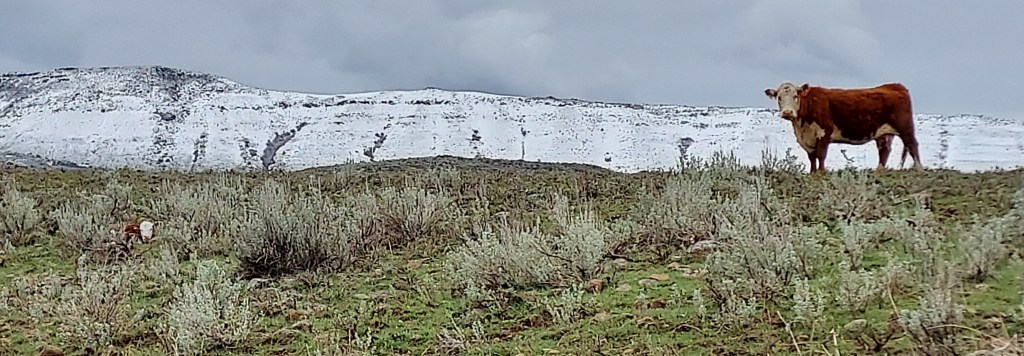
Can you find #310? Echo is not going to tell you, but if you look around can you find the little moo-shroom hiding in the sagebrush? He’s a cute little guy and she’s a great mama. Welcome #310 to Hood Ranch!
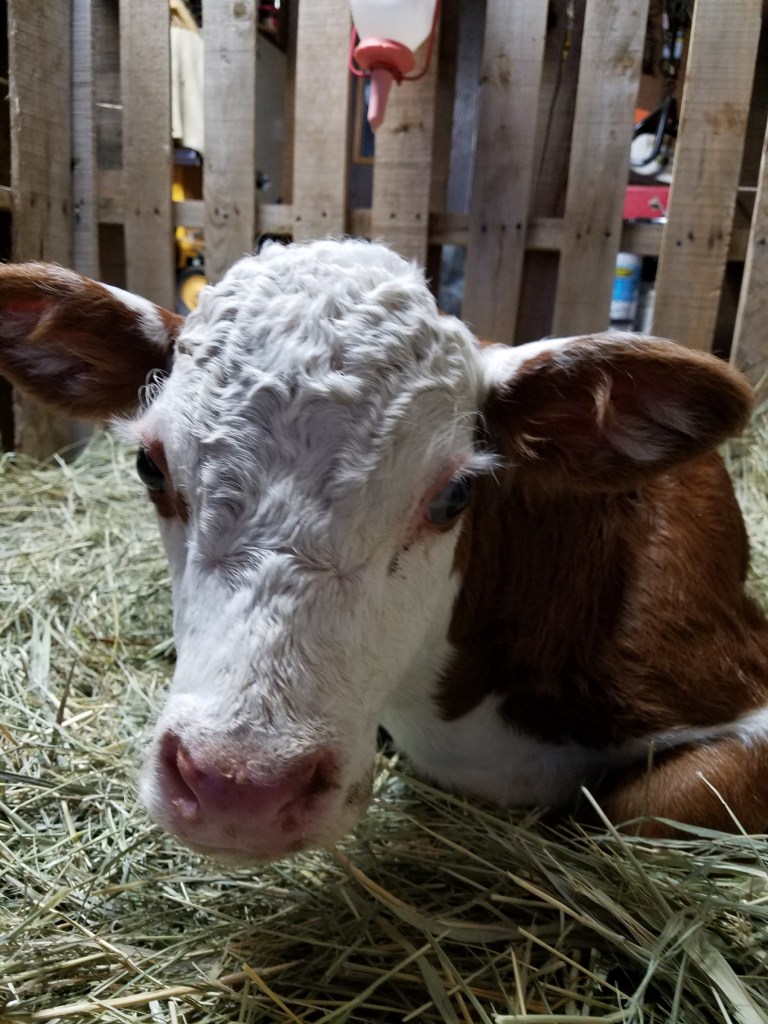
The spring weather this year had some struggles similar to last year when we started calving. Wet, damp then cool-hot-cool temperatures during the day as winter tried to transition into spring. Last year we experienced a couple cases of pneumonia, hypothermia and navel ill. Last year one bull calf die (pictured to the left), another got joint ill and we almost lost a heifer calf. We were hoping this year would be a little different. As a consolation, not that you’d wish it upon any one else, but other outfits suffered the same types of cases we experienced as a direct result of the extreme weather conditions where you have 20-30 degree temperature swings, dampness and mud. At least we weren’t the only ones. And did you know there is such a malady as “summer pneumonia”? Rather interesting, isn’t it?

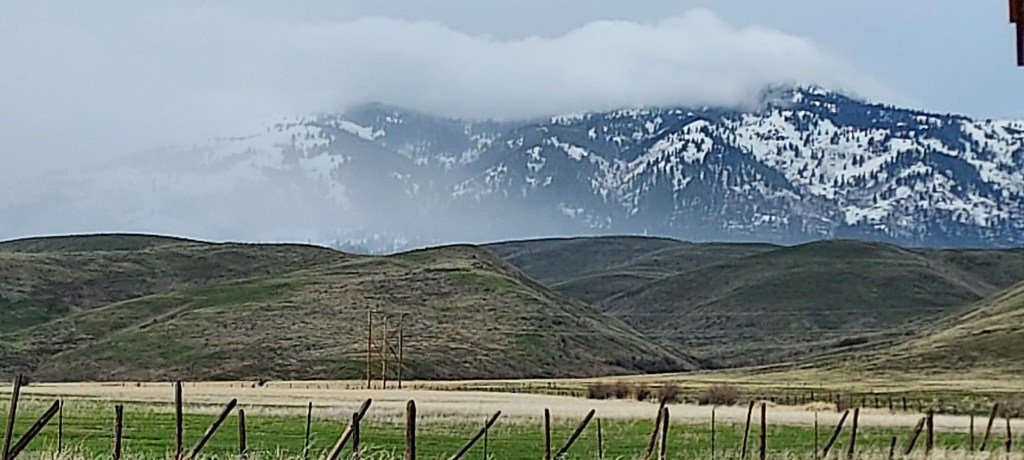
But this year was a similar repeat of the last year with the exception that the snow this year actually had moisture in it. When we finally started to thaw it also began to rain. We had weeks of mud and then when you thought it was going to dry out, we’d get bouts of rain to re-hydrate the drying mud. Temperatures remained cool, then warm up during the day and then cool down very quickly late afternoon. The grasses were super slow to grow so we had to be careful where the herd went so as to not damage the fields. We fed a little longer than we wanted but that is what sale barns are for. Someone got some fine bulls at a steal. Granted they were our ‘culls’ but that didn’t mean they weren’t good stock. Those go somewhere else…
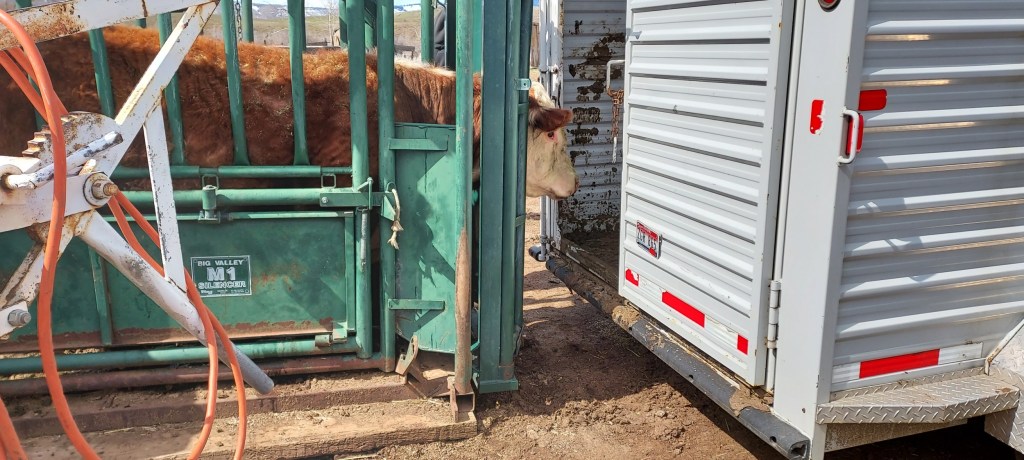
By the time we dropped our first calf mid-April we had some green grass, but not growing grass due to the cool temperature. We still had snow flurries & rain which meant cool, cloudy days. Range conditions obviously were a few weeks behind, so no relief there for feed when it was the scheduled time to let out and the allotment wasn’t ready until later in the month.
Months before calving season starts we check our calving kit to be sure we have everything we need or may need like colostrum, calf milk replacer, enough needles/syringes, ear tags, etc…. and we also reassess last years’ challenges and try to anticipate any new ones. This year we would add/change some products to our arsenal of preventative care for these newborn calves. After 9 months of gestation you want a live and healthy calf. Our routine has always been to give all newborn calves a probiotic paste and a vitamin paste within 12 hrs after they were born. We do that when we go out to put an ear tag on them… the older they get, the harder they are to wrangle. And those little suckers have some get up & go! But the moment we see there is a newborn calf on the ground their little umbilical gets liberally soaked with iodine to prevent infection.
This year we went back to Vetericyn’s Super 7 Ultra Navel Care instead of iodine. It dries the umbilical cord up really fast. Faster than any iodine spray. We last used it a few years ago because it is not an iodine-based spray and were told that the iodine was better. But we found that the iodine did not dry up the cord as well and some calves became ill. So we went back to using the Super 7.
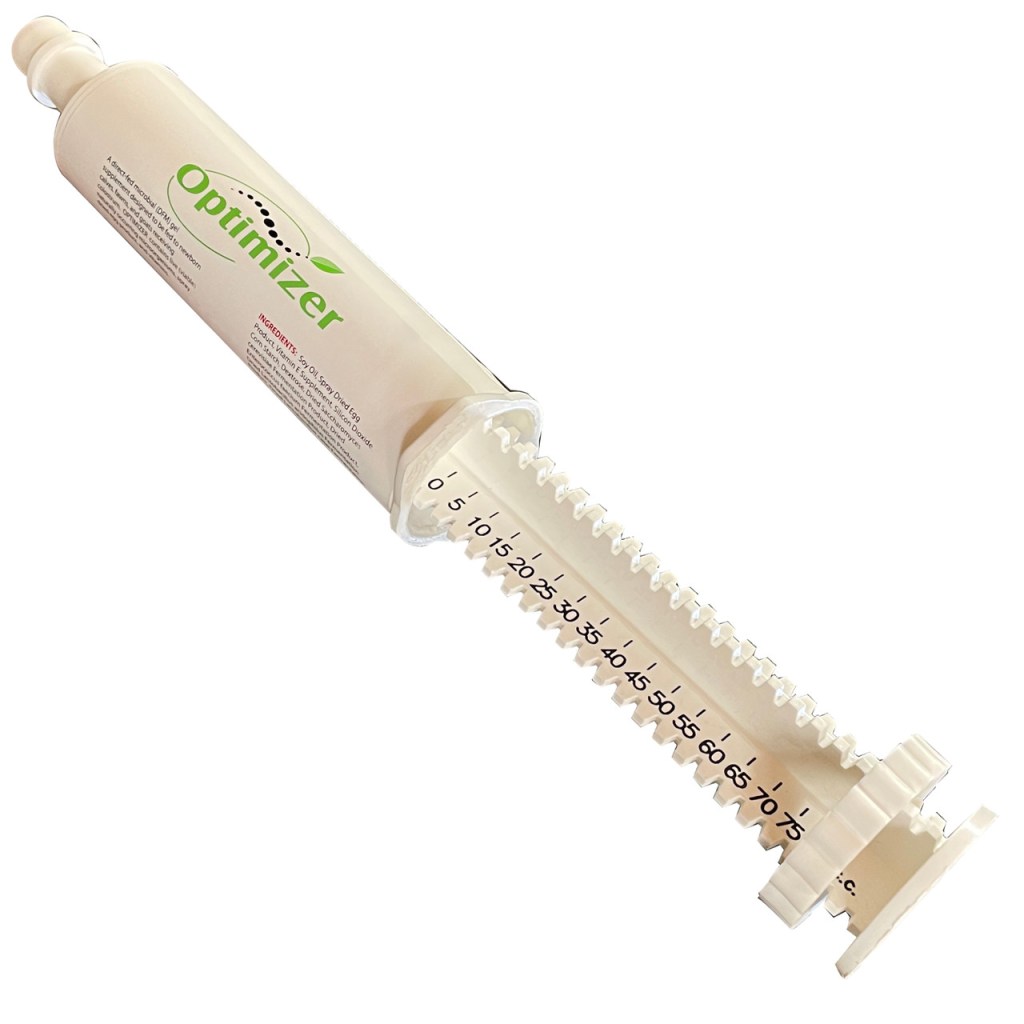
Another product that definitely gets a thumbs up from us is called Optimizer Gel by 4 Winds Ag. We ran across a youtube channel some time back called Sonne Farms and on one of their videos they highly recommended the Optimizer Gel for their operation. They raise registered Angus cattle (we don’t hold that against them… they’re still nice people) but we thought, what the heck, we’ll give it a try. It is one tube of preventative that would replace the 2 tubes of products we were currently using. The end result was that the Optimizer Gel really worked for us, or should say, worked for the calves. We did not have one incident of scours this year. It is well worth the money spent for this product and we highly recommend it, too. And thanks Sonne Farms for the tip!
And, lastly, we would be using MultiMin 90 on a more regular basis. We were using it for stock that were acting off or sick. Now we will be using it more often following Multimin’s supplement program guidelines. And it, too, had a great impact on the calves. Just like people, animals can be stressed by environmental factors and what can be more stressful than leaving a nice, cozy warm place and suddenly find yourself dropped onto the ground and not so warm & cozy? People take vitamins for their health, too, so why would animals be any different? Even though we supplement the livestock with free choice loose mineral and salt, this product will fill in the gaps. (This product is by prescription only through your veterinarian,)

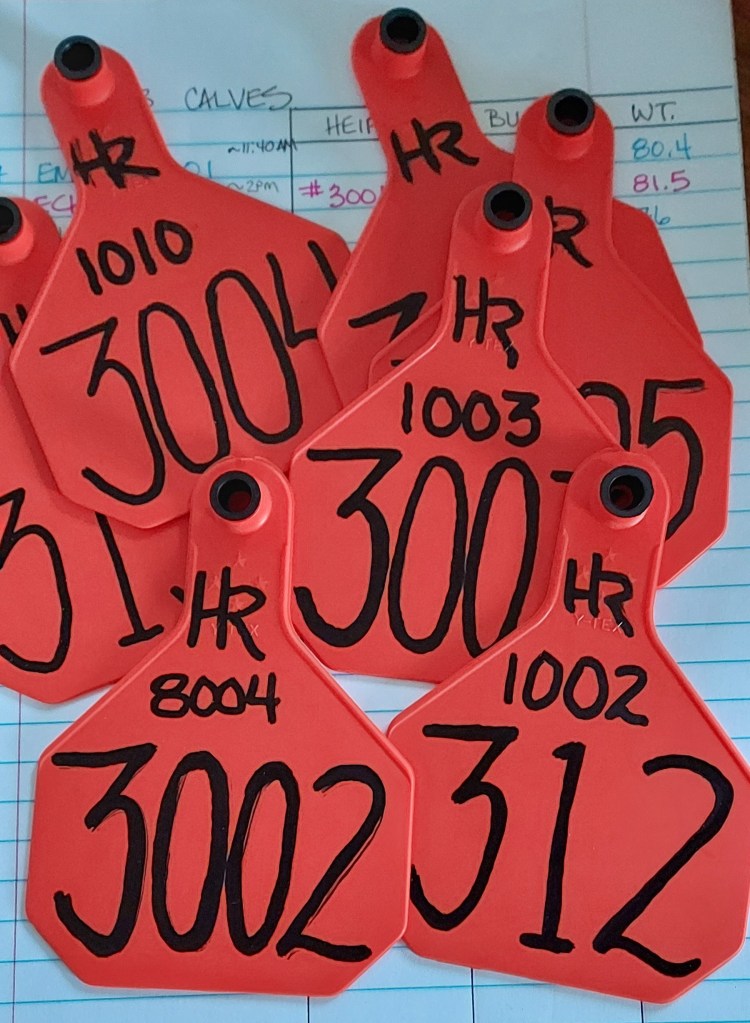
By the time it was all over the tally was 20 Heifer calves & 20 Bull calves.
Until next time…
~hobo
 HR hobo
Great stories you write. Always enjoy learning about life as a cattle rancher.
LikeLike
So are we! 🙂 Thanks for stopping by and give my big sis a big hug!
LikeLike
Echoing Ric, thanks for posting as always. This is a fascinating subject that I know very little of.
I can imagine your Winter was wet, if the one at The Ranch was any indication.
For the small herd there currently, a rented bull is onsite performing “customer service”. I think they had three calves last year.
LikeLike
Sounds like The Cowboy is on the same schedule for breeding season as we are. It’s nice to calve on green grass and warm temps, at least that is the goal. And calves are always a hoot to watch when they get older & zoom about the fields.
LikeLike